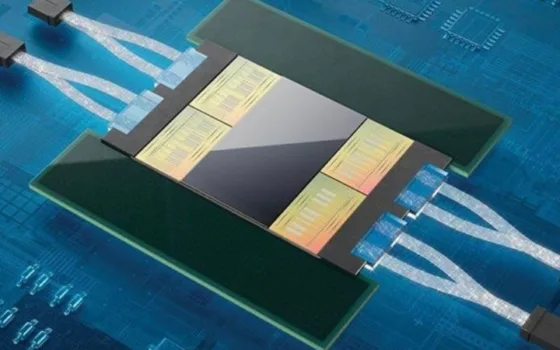


The Government of Tamil Nadu has officially launched the Tamil Nadu Semiconductor Ecosystem Scheme 2026, establishing a targeted policy framework with state subsidies of up to 25%. The initiative seeks to mobilize private capital across commercial wafer fabrication, advanced packaging, testing, manufacturing equipment, and raw materials. Engineered to reinforce the state’s footprint in India’s expanding electronics hardware manufacturing corridor, the policy operates via a dual-track incentive mechanism designed to complement the Union government’s central initiatives as well as support standalone ventures.
Under the primary track, projects sanctioned under the Centre’s Semicon India Programme 2.0 receive an additional state investment promotion subsidy ranging from 15% to 25% of eligible capital expenditure. Commercial 300-mm silicon wafer fabrication plants qualify for a 25% state subsidy, which layers directly over the central government’s 40% fiscal assistance to deliver substantial cumulative capital relief. Advanced semiconductor packaging units are also eligible for a 25% state subsidy, while legacy packaging and assembly facilities can access 20% support. Facilities dedicated to semiconductor-grade materials, testing, characterization, and equipment research and development are allocated a 15% state subsidy.
The policy’s second track provides customized fiscal backing for strategically relevant projects that operate outside the central Semicon India Programme 2.0. These enterprises can secure fixed capital subsidies between 15% and 25% on qualifying fixed assets, complemented by an annual turnover-linked production incentive of up to 2% for five years. The policy establishes tiered entry criteria, setting minimum investment thresholds from Rs 50 crore for specialty electronic materials and packaging segments up to Rs 500 crore for high-density advanced packaging complexes.
To ease front-end project execution and reduce operational overheads, the policy incorporates comprehensive operational concessions. These include full stamp duty exemptions, land acquisition concessions, a five-year electricity tax exemption, and a 5% interest subsidy on commercial term loans spanning six years. Operational assistance also covers workforce payroll subsidies alongside training stipends of up to Rs 10,000 per person monthly. To anchor long-term domestic capability, beneficiaries must recruit at least 50% of their direct labor from Tamil Nadu, with 60% of high-value technical positions—defined as roles with monthly basic wages exceeding Rs 25,000—reserved for state residents.
Project applications remain open via nodal investment agency Guidance Tamil Nadu until September 30, 2027. By stacking state-level fiscal incentives atop central capital subsidies, Tamil Nadu is structuring an integrated manufacturing environment capable of supporting both capital-heavy front-end foundries and outsourced semiconductor assembly and test operations across India’s microelectronics supply chain.