
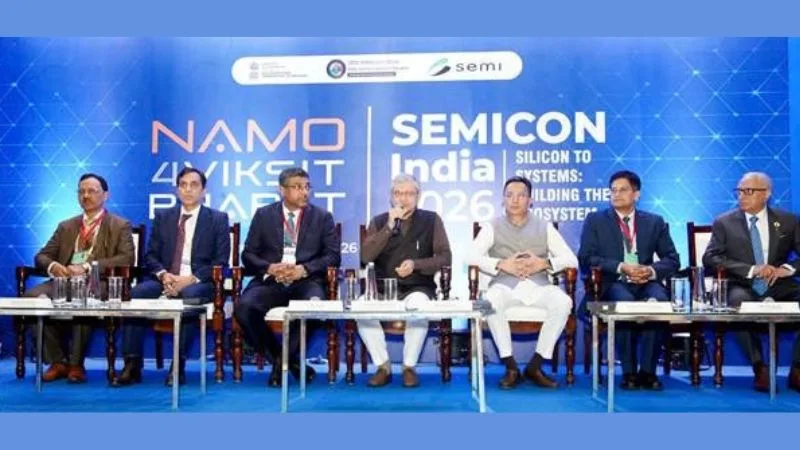
The Indian government kicked off the second phase of its chip program, called Semicon 2.0, during the SEMICON India 2026 event. The new phase brought around ₹1 lakh crore ($11–12 billion) in investment commitments, 16 key partnerships, and plans to create nearly one lakh jobs over the next few years.
While the first phase worked on setting up basic chip factories, Semicon 2.0 focuses on the entire ecosystem needed to run them. A working chip plant needs specialized machinery, ultra-pure chemicals, cleanrooms, and testing facilities. Without these local suppliers, factories face high costs and shipping delays.
To fix this, Indian firms signed several practical deals with global leaders during the event:
- Raw Materials and Chemicals: Tata Electronics partnered with Japan’s Fujifilm and JSR Corporation. These companies will supply and help produce the high-purity chemicals and materials needed on the factory floor to make silicon wafers.
- Modern Packaging and Testing: Tata Electronics teamed up with Singapore’s BESI to bring advanced packaging machines to India. Packaging protects the chip and connects it to circuit boards. At the same time, Kaynes Semicon partnered with OptoML, GridCrest, and Sensesemi to build advanced modules and testing lines.
- Local Supplier Parks: To keep suppliers close to its main fab in Dholera, Gujarat, Tata Electronics partnered with Ascendas-First Space to build a 363-acre vendor park.
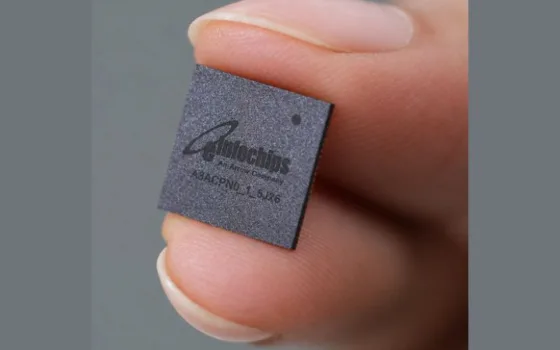
- Real Production Updates: Companies also showed actual factory progress. Suchi Semicon delivered its first batch of commercial chips to eInfochips, while CDIL announced volume production for power devices with Japan’s Shindengen.
To support this work, the government plans to train 100,000 technicians over five years with help from global partners like Taiwan’s ITRI. It also launched six new regional design centers to help over 200 local startups build complete electronic systems.
These steps move India past initial plans toward real factory floors, local suppliers, and working chips.