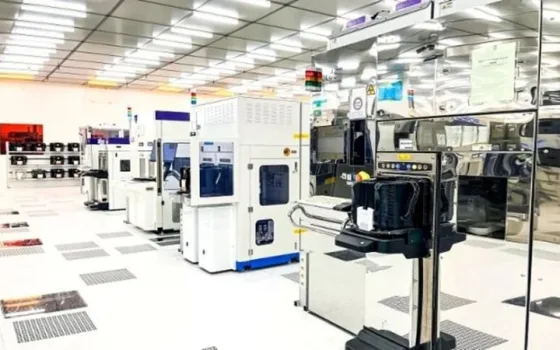

Penn State University and the Midwest Microelectronics Consortium have opened new chip research labs at the Millennium Science Complex in Pennsylvania with the help of $4.3 million received in funding and equipment support, and additional money from the university. The labs were funded through the US Microelectronics Commons program, which was created under the CHIPS and Science Act with the goal of helping scientists build chip materials that work in real commercial production.
Labs often struggle to turn early chip ideas into products that factories can make at scale. The new space helps close that gap by giving teams modern tools to test and improve their work. Three key machines anchor the setup. A metal-organic chemical vapor deposition system grows thin layers of semiconductor material. An atomic force microscope checks wafer surfaces up close to spot tiny flaws. A metal evaporation system puts down electrical contacts so current can flow cleanly through a device.
Researchers will use these tools to study two-dimensional semiconductor materials. These ultra-thin materials hold promise for future electronics, yet keeping flaws low and building steady electrical contacts remain tough problems on a factory floor. Teams will also study wide-bandgap and ultrawide-bandgap materials, such as gallium nitride and gallium oxide. Power chips made from these materials can handle higher voltages and hotter conditions than traditional silicon chips.
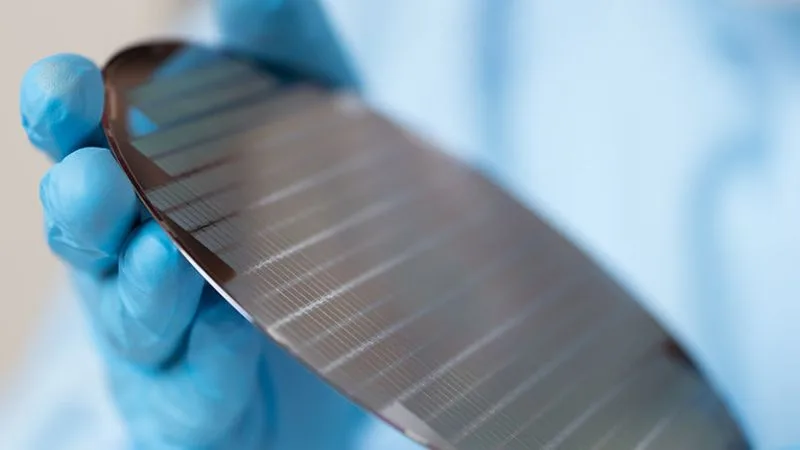
Joan Redwing, a Distinguished Professor at Penn State, explained why the new gear matters. With these tools, materials and methods that started in small university labs can be tried on bigger wafers. Testing on larger wafers brings lab work much closer to what commercial chip makers need.
Access is a major part of the plan. The new equipment will be open to Penn State researchers, outside visitors, and partners in the Midwest Microelectronics Consortium. That includes smaller chip companies that often cannot afford or reach specialized manufacturing tools on their own. The consortium brings together nearly 600 members from companies, universities, and government agencies. Besides helping teams build new technology, the labs will support worker training.
Head of the Midwest Microelectronics Consortium, Matt Casto mentioned that the money will widen access to chip research gear and help good ideas move closer to making chips in the United States. At Penn State, students and postdoctoral researchers will get hands-on time with tools that match industry standards. That practical training helps build the next wave of engineers and scientists for American chip manufacturing.
Many early chip discoveries stall before reaching full production due to usage of small test pieces and basic setups. The new space aims to speed up how fast promising materials move out of the lab by providing scientists and partners to conduct tests closer to required guidelines. Along time, better materials and skilled manpower can strengthen domestic chip supply chains and support new products across power, computing, and communications for everyday life.